How to Start Strength Training for Beginners: A Complete Guide.
Starting a fitness journey can feel confusing when you do not know which exercises to perform, how much weight to lift, or how often to train. The good news is that you do not need an expensive gym membership or years of experience to begin. With the right approach, you can build strength, improve your fitness, and develop healthier habits over time.
Learning how to start strength training begins with understanding the basics, choosing simple exercises, and following a realistic workout plan. This guide will help beginners take their first steps with confidence.
What Is Strength Training?
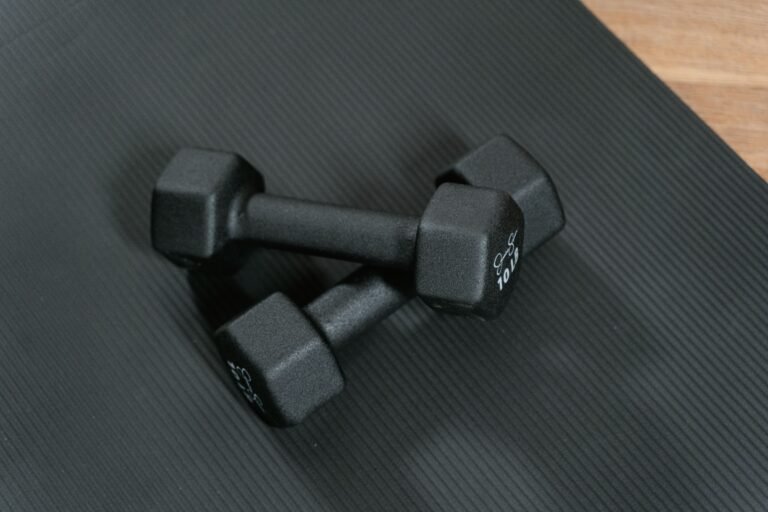
Strength training is a form of exercise that makes your muscles work against resistance. This resistance can come from dumbbells, barbells, resistance bands, weight machines, or your own body weight.
Unlike workouts focused mainly on endurance, strength training helps improve muscular strength and supports everyday activities such as lifting groceries, climbing stairs, and carrying heavy objects.
Beginners should focus on learning proper movement patterns before attempting heavy weights. Consistency and good technique matter more than lifting impressive amounts of weight.
Benefits of Strength Training for Beginners
Adding strength training to your routine offers several benefits.
- Builds muscle strength: Regular training helps your muscles become stronger over time.
- Supports bone health: Resistance exercise can help maintain bone strength.
- Improves everyday movement: Stronger muscles make daily physical activities easier.
- Supports healthy weight management: Strength training contributes to overall energy expenditure and helps maintain muscle during weight management.
- Builds confidence: Tracking improvements in repetitions, technique, and resistance can help you stay motivated.
The key is to begin at your current fitness level and increase the challenge gradually.
Best Beginner Strength Training Exercises
You do not need dozens of exercises to get started. Focus on movements that train the major muscle groups.
1. Bodyweight Squats
Squats strengthen your thighs, hips, and glutes. Stand with your feet approximately shoulder-width apart, push your hips back, and bend your knees while keeping your chest comfortable and upright. Return to standing without rushing.
2. Wall or Incline Push-Ups
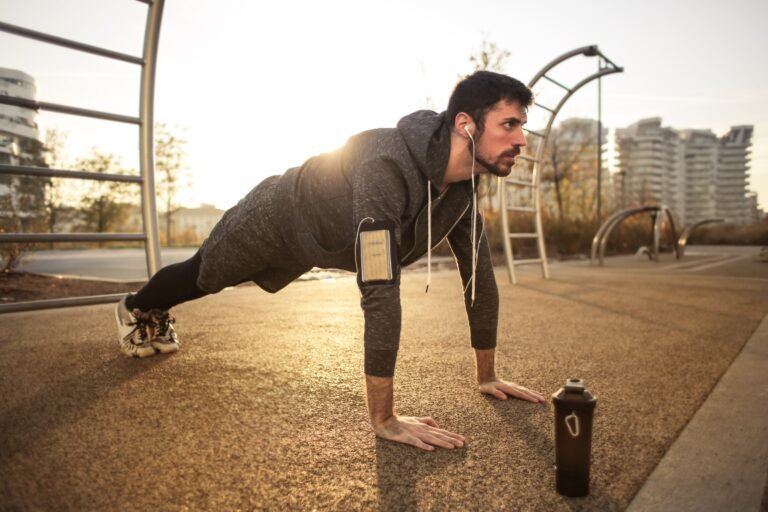
Push-ups train your chest, shoulders, and triceps. If standard push-ups feel difficult, begin against a wall or use a stable elevated surface. Keep your body aligned as you lower yourself and push back up.
3. Dumbbell Rows
Rows strengthen your back and help develop balanced upper-body strength. Use light dumbbells, keep your back in a comfortable neutral position, and pull the weights toward your torso with controlled movement.
4. Glute Bridges
Lie on your back with your knees bent and feet flat on the floor. Tighten your glutes and lift your hips until your body forms a comfortable line from shoulders toward knees. Lower slowly.
5. Planks
Planks train your core muscles. Keep your elbows beneath your shoulders and maintain a straight body position without letting your hips sag. Start with a short hold and build gradually.
Choose manageable resistance and stop if you experience sharp pain or unusual symptoms.
A Simple 3-Day Strength Training Workout Plan
For many healthy beginners, two or three nonconsecutive strength-training sessions per week provide a practical starting point.
Here is a simple full-body routine:
- Bodyweight squats: 2 sets of 8–12 repetitions
- Wall or incline push-ups: 2 sets of 8–12 repetitions
- Dumbbell rows: 2 sets of 8–12 repetitions per side
- Glute bridges: 2 sets of 10–15 repetitions
- Planks: 2 short holds of 15–30 seconds
Rest between sets as needed to maintain good technique. Adjust repetitions to your ability, and choose an easier variation if you cannot complete the movement with control.
For example, you could train on Monday, Wednesday, and Friday, using the other days for walking, gentle movement, or recovery. You do not need to train hard every day to make progress.
How Much Weight Should Beginners Lift?
Choose a weight that allows you to complete your planned repetitions with controlled technique while still feeling challenged toward the end of the set.
If you cannot maintain proper form, reduce the weight or choose an easier exercise. If every repetition feels effortless, you may eventually need a slightly greater challenge.
Increase resistance gradually rather than making sudden jumps. Keeping a simple workout log can help you track weights, repetitions, and improvements.
Common Strength Training Mistakes to Avoid
Many beginners make progress more difficult by trying to do too much too soon.
Avoid lifting weights that are too heavy, skipping warm-ups, rushing repetitions, and training the same muscles intensely without adequate recovery. Do not compare your progress with experienced gym members or social media fitness influencers.
Start with a manageable plan, learn correct technique, and give yourself enough time to develop confidence.
Nutrition and Recovery for Better Results
Muscles need adequate nutrition and recovery to adapt to training. Include protein-rich foods such as eggs, beans, yogurt, fish, chicken, or tofu, alongside vegetables, fruit, whole grains, and other nutritious foods.
Drink enough water throughout the day and aim for consistent, sufficient sleep. Supplements are not essential for beginners; a balanced diet and a sustainable workout routine should come first.
If you have a chronic health condition, a significant injury, or concerns about whether exercise is appropriate for you, seek guidance from a qualified healthcare professional before starting.
Frequently Asked Questions
How many days a week should beginners do strength training?
Two or three nonconsecutive days per week is a reasonable starting point for many healthy adults. Adjust your schedule to your fitness level and recovery.
Can beginners do strength training at home?
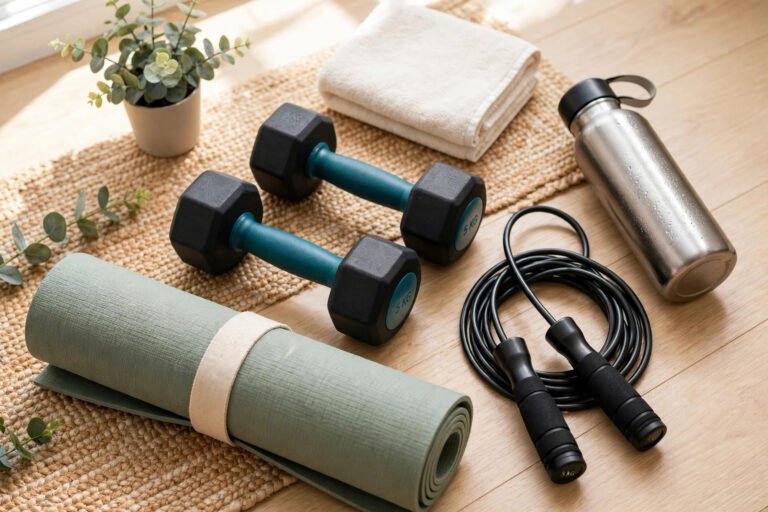
Yes. Bodyweight squats, incline push-ups, glute bridges, and planks can help you begin without gym equipment. Resistance bands and dumbbells provide additional options.
How long does it take to see results?
Progress varies depending on your starting point, training consistency, nutrition, sleep, and other factors. You may notice improvements in exercise technique and strength before major visual changes become apparent.
Final Thoughts
Learning how to start strength training does not require a complicated program or expensive equipment. Begin with basic exercises, follow a realistic schedule, and focus on proper technique and gradual improvement.
The best beginner strength training workout plan is one you can perform safely and consistently. Start small, track your progress, and build stronger habits one workout at a time.
At Earning Avenue, our goal is to share practical fitness guidance that helps readers make informed decisions and create healthier everyday routines.